UK GOV.UK reported that the Animal and Plant Health Agency (APHA) has confirmed Mycobacterium bovis, the bacterium responsible for tuberculosis (TB), in two wild beavers in south-west England. According to the announcement, these are the first recorded cases of TB in beavers in the UK.
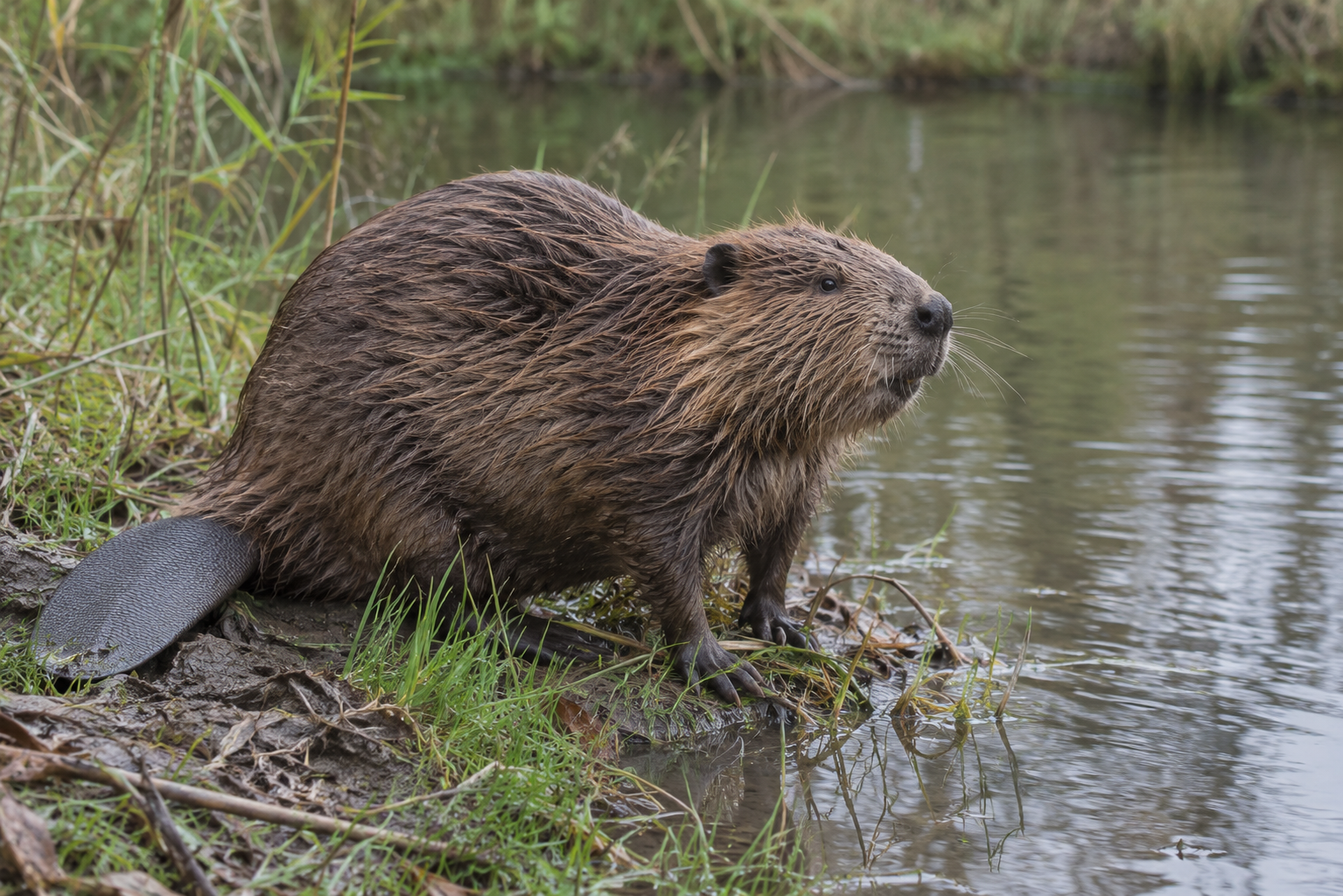
The announcement said there is currently no evidence that beavers raise the risk of TB transmission to livestock, other wildlife or people.
The infections were discovered through Natural England’s established wildlife surveillance programme, which incorporates specialist post-mortem examinations supported by APHA.
One case was detected in autumn 2026. The second was found following a review of more than 70 earlier beaver post-mortem reports collected in spring 2025.
UK GOV.UK described the two cases as isolated and independent.
The evidence is being reviewed to determine the source of the infections, while Natural England colleagues are expected to update biosecurity advice for beaver releases. The announcement reiterated that, at present, there is no evidence that beavers increase the risk of transmitting TB to livestock, other wildlife or people.
According to UK GOV.UK, the findings illustrate the role of England’s wildlife health surveillance programme in allowing veterinary specialists, including APHA and other partners, to identify, investigate and monitor potential disease risks.
The government described the programme as world-leading and said it provides a strong basis for understanding wildlife health and responding to emerging findings.
All beavers undergo health screening before release. UK GOV.UK said the licensing process seeks to balance ambitions to restore the species with measures intended to support successful coexistence with other wildlife and farming businesses.
Natural England remains committed to beaver reintroductions and to using the licensing process to enable the landscape benefits associated with beavers while protecting nature, landowners and communities.
Livestock keepers are advised to continue complying with existing TB controls and stringent farm biosecurity measures. Access by livestock to watercourses should be restricted, and clean drinking water should be supplied through troughs to reduce opportunities for cattle and wildlife to interact at water sources.
APHA is continuing its investigation to gain a clearer understanding of the circumstances surrounding the infections and any broader implications. It is working closely with Natural England to review current risk assessments and management plans for beavers in England.
Earlier this month, the Government formally adopted a long-term strategy aimed at eradicating TB from England altogether by 2038.
https://tbhub.co.uk/tb-in-wildlife/ https://naturalengland.blog.gov.uk/2026/11/25/wildlife-surveillance-identifies-isolated-btb-cases-in-wild-beavers-in-south-west-england/ https://aphascience.blog.gov.uk/2026/11/27/investigating-two-cases-of-mycobacterium-bovis-in-wild-beavers/
Based on a UK GOV.UK news release · Read the original ↗